
Why Oil Prices Are Hard to Predict

Escrito por

Luca

Luca Martin is a content creator passionate about turning complex topics into simple and practical insights. He writes about finance, business, and human behavior, connecting data and real stories ...

Perfil completo
Seja um colunista

13/03/2026

11 min de leitura

The future of oil is as unpredictable as it is crucial to the global economy. For those invested in energy markets, understanding the volatile nature of oil prices is daunting yet essential. As politics, technology, and environmental concerns blend, the path forward is far from straightforward.

In this article, we’ll explore the myriad factors contributing to oil’s uncertain future. From geopolitical tensions to technological innovations, we will uncover the elements causing oil prices to fluctuate and what that means for the global economy. Prepare to navigate the complexities of the oil market and emerge with a clearer understanding of its unpredictable nature.

Factors Influencing Oil Prices

Oil prices are influenced by a myriad of factors, making their future notoriously unpredictable. The primary determinants include supply and demand dynamics, political stability, weather conditions, and technological developments.

Supply and demand play a crucial role as the foundation of any commodity market. When demand surpasses supply, prices tend to rise. Conversely, if supply exceeds demand, prices generally fall. For instance, during the global financial crisis of 2008, reduced economic activity led to a significant drop in demand, causing oil prices to plummet.

Political stability in oil-producing regions can dramatically affect prices. Political unrest can lead to disruptions in oil supply. A historical example is the Gulf War in 1990, which led to a sharp spike in oil prices due to concerns over supply interruptions.

Weather conditions can also play a critical role, especially in regions prone to extreme weather events. Hurricanes in the Gulf of Mexico, for instance, can disrupt oil production and refining, pushing prices upwards.

Technological developments in oil extraction, such as fracking and deep-sea drilling, have expanded access to oil reserves, impacting supply levels and, consequently, oil prices. The shale boom in the United States during the early 2010s is a prime example of how technological advancements can lead to increased supply and a subsequent decrease in global oil prices.

As we delve deeper, we’ll explore how geopolitical events and the influence of organizations like OPEC shape the oil market landscape.

Geopolitical Events and Their Impact on Oil

Geopolitical events are a major driver of oil price fluctuations. Conflicts, diplomatic relations, and sanctions can drastically alter the oil supply landscape, leading to significant market volatility.

Conflicts in key oil-producing regions often result in supply disruptions. For instance, the Libyan Civil War starting in 2011 led to a considerable reduction in oil exports from Libya, contributing to a surge in global oil prices.

Diplomatic relations and international agreements also play a role. The Iranian nuclear deals and subsequent sanctions are prime examples. Sanctions often restrict a country’s ability to export oil, affecting global supply levels. In 2018, the reinstatement of U.S. sanctions on Iran reduced its oil exports, influencing global oil prices.

Recently, the tensions between Russia and Ukraine in 2022 have had a profound impact on the oil market. Russia is one of the world’s largest oil producers, and any potential sanctions or conflicts involving Russia create uncertainty and drive price volatility.

These events underscore the sensitive nature of the oil market to geopolitical dynamics, setting the stage for understanding the strategic maneuvers by organizations like OPEC in maintaining market stability.

The Role of OPEC and Non-OPEC Countries

The Organization of the Petroleum Exporting Countries (OPEC) is a consortium of oil-producing nations that aims to coordinate and unify petroleum policies among member countries. This coordination is designed to stabilize oil markets and ensure a steady income for oil producers.

OPEC’s influence in the global oil market is considerable. By setting production targets among member countries, OPEC can influence oil prices globally. For example, in 2016, OPEC, along with non-OPEC countries like Russia, agreed to cut production to counteract falling prices. This move successfully stabilized and eventually increased oil prices in the subsequent years.

Decisions made by non-OPEC countries also impact global oil production. Countries such as the United States, with its significant shale production, have changed the landscape by increasing global supply, affecting OPEC’s ability to control prices.

The delicate balance between OPEC’s strategies and non-OPEC production levels creates a dynamic interplay that consistently influences global oil pricing. This balance is crucial for understanding the broader impact of technological advances in oil extraction, which we will explore next.

Technological Advances in Oil Extraction

Technological innovations have revolutionized the oil extraction and production landscape, significantly altering market dynamics. These advances have enabled access to previously unreachable reserves, reshaping the global supply of oil.

Fracking, or hydraulic fracturing, has played a pivotal role in expanding oil production. By injecting high-pressure fluids into shale formations, fracking releases oil and gas deposits, leading to a surge in oil output particularly in the United States. This technological leap contributed to the U.S. becoming one of the top oil producers globally, influencing global supply chains and pricing.

Deep-water drilling has similarly expanded production possibilities. Advances in technology allow for drilling in ultra-deep waters, tapping into substantial reserves located in offshore areas. Brazil’s pre-salt fields are a testament to how deep-water drilling advancements have unlocked vast oil reserves, impacting global supply.

The impact of these technologies is profound, as they not only increase supply but also exert pressure on traditional oil-producing nations and organizations like OPEC to adapt to new market conditions. This technological shift occurs amid growing environmental concerns, which we will delve into next.

Environmental Concerns and Policies

The environmental challenges associated with oil production and consumption are significant. Oil extraction and usage contribute to pollution, habitat destruction, and greenhouse gas emissions, leading to climate change and its associated impacts.

Oil spills, which occur during drilling, transportation, or storage, pose severe risks to marine and coastal ecosystems. Additionally, the burning of oil for energy releases carbon dioxide, a primary greenhouse gas, exacerbating global warming.

In response to these challenges, global policies and agreements have been established to mitigate environmental impacts. The Paris Agreement, signed in 2015, seeks to limit global warming to well below 2 degrees Celsius above pre-industrial levels. Participating nations commit to reducing carbon emissions and transitioning to sustainable energy sources.

Policies promoting renewable energy development, such as wind and solar, aim to decrease dependency on fossil fuels, including oil. These initiatives contribute to the shift towards alternative energy sources, influencing oil demand and market dynamics, which we will explore in the next section.

The Influence of Alternative Energy Sources

The rise of alternative energy sources, such as solar and wind power, is reshaping the global energy landscape. These renewable sources offer cleaner, more sustainable solutions compared to traditional fossil fuels like oil.

Solar and wind energy have experienced significant growth due to advancements in technology and decreasing costs. Governments and private sectors are investing heavily in renewable infrastructure, driving further expansion and innovation. As a result, the share of renewables in the global energy mix is increasing steadily.

This growth impacts the oil industry by reducing demand for oil-based energy. As renewables become more accessible and affordable, they challenge the dominance of oil, leading to a reevaluation of market strategies by oil producers. The transition towards alternative energy also stimulates changes in energy policies and consumer preferences.

The shift towards renewable energy sources is an essential component of the broader effort to mitigate environmental concerns. However, traditional energy sectors must navigate the complex interplay of new technologies and economic indicators, which will be the focus of our next discussion.

Economic Indicators and Global Demand

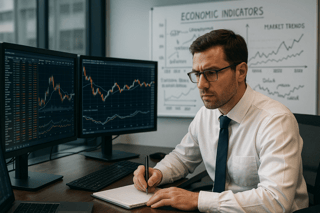
Economic indicators like GDP growth and consumer spending are critical in shaping global demand for oil. These indicators reflect the economic health and activity levels of countries, directly impacting energy consumption patterns.

GDP growth signifies economic expansion, typically leading to increased industrial activity, transportation, and energy use, which in turn boosts oil demand. Conversely, during economic slowdowns, reduced spending and industrial output lead to decreased oil consumption. For instance, the economic downturn during the COVID-19 pandemic led to a sharp decline in global oil demand.

Shifts in global demand significantly impact oil pricing and production strategies. When demand is high, oil prices tend to rise, encouraging producers to increase output. In contrast, when demand falls, prices drop, often prompting production cuts to stabilize the market. OPEC and non-OPEC countries frequently adjust their production levels in response to these demand changes to manage price stability and maintain revenue.

Understanding these dynamics is essential for comprehending how supply chain disruptions and natural disasters further affect the oil market, which will be our next point of exploration.

Supply Chain Disruptions and Natural Disasters

Natural disasters and supply chain disruptions can cause significant volatility in oil prices by interrupting production, refining, and distribution processes. These interruptions can lead to sudden shifts in supply, impacting global markets.

Hurricanes, for instance, are notorious for disrupting oil operations, especially in regions like the Gulf of Mexico, where a significant portion of U.S. oil production and refining occurs. Hurricane Katrina in 2005 is a notable example, as it severely damaged infrastructure, leading to a spike in oil prices due to reduced supply.

Earthquakes can also impact oil operations, particularly if they occur near key infrastructure. In 2011, the earthquake and tsunami in Japan disrupted not only local energy supplies but also global markets due to the ripple effects on production and logistics.

Supply chain issues, such as logistical bottlenecks or strikes by transport workers, further exacerbate these disruptions. The complexity of global supply chains means that even minor delays can have widespread effects on oil availability and pricing.

These factors contribute to market instability, adding to the volatility already present in oil trading due to speculation and market trends, which we will delve into next.

Speculation and Market Volatility in Oil Trading

Speculation plays a significant role in the oil market, contributing to price volatility through the actions of traders and investors who buy and sell oil contracts based on anticipated future price movements. These speculative activities can lead to fluctuations that are sometimes disconnected from fundamental supply and demand factors.

Financial instruments such as futures contracts are central to speculation. These contracts allow traders to agree on the purchase or sale of oil at a predetermined price on a specified future date. While futures can provide stability by locking in prices, they also amplify volatility as traders react to news, geopolitical events, and economic data, driving prices up or down.

The influence of speculation was evident during the 2008 oil price surge, where prices skyrocketed to unprecedented levels before plummeting, partly driven by speculative trading rather than changes in physical supply and demand.

The complex interplay of speculation and market volatility underscores the challenges in predicting oil price movements, setting the stage for examining future predictions and market analysis in our final section.

Future Predictions and Market Analysis

The future of the oil market is subject to a variety of trends and uncertainties. As the world shifts towards sustainable energy sources, experts predict significant long-term changes in oil demand and pricing.

One potential trend is the gradual decline in oil demand as renewable energy sources become more prevalent and technology advances in energy efficiency. This transition, driven by environmental policies and changing consumer preferences, may lead to a decrease in global oil consumption over the coming decades.

Market analysts also suggest that geopolitical factors, technological innovations, and economic developments will continue to create fluctuations, making precise predictions challenging. For example, how quickly and effectively countries transition to alternative energies can heavily influence oil demand and pricing.

Pricing is expected to become increasingly responsive to short-term events, such as geopolitical incidents and natural disasters, alongside longer-term shifts towards renewables. While some predict stable prices due to balanced supply and demand, others foresee potential volatility driven by speculation and unexpected market disruptions.

As we navigate these potential changes, the ability to adapt and anticipate shifts in the oil market will be crucial for stakeholders. Understanding these dynamics provides a clearer perspective on the complexities of the oil industry and its future direction.

Sobre o autor

Luca Martin

Luca

Editor and Content Writer

Luca Martin is a content creator passionate about turning complex topics into simple and practical insights. He writes about finance, business, and human behavior, connecting data and real stories to help people make smarter everyday decisions. His direct, analytical style balances clarity and empathy — straightforward, yet full of purpose.

Perfil completo

Leia mais